

Iran's Internet Money Is Moving Into Hotels
Digikala's founders paid 300 billion toman for a quarter of Donse, about $1.62M at the 9 August 2026 rate. It is personal money, not a Digikala transaction. And Donse is not a hotel chain: alongside its properties it runs a development arm and an investment platform whose stated purpose is channelling domestic capital into tourism projects.
- Hamid and Saeed Mohammadi took 25% of Donse for 300 billion toman, about $1.62M at 185,590 toman per dollar on 9 August 2026. On the stated terms the whole company is implied at roughly $6.5M, which is arithmetic on a disclosed price and not a Tehran Index valuation.
- The investment is personal, made through the founders' own vehicle, and Donse co-founder Nima Qazi stated on the record that it has no connection to Digikala as a company. It should not appear on a Digikala org chart.
- The relationship nobody reported: Nima Qazi co-founded Alibaba Travels in November 2013 and has chaired the Tehran E-commerce Association since June 2018. Alibaba is Iran's dominant online travel agency, with a co-founder-stated share of about 70% of the online travel market.
- The link runs both ways. Masoud Tabatabaei, current chief executive of Digikala.com, was chief executive of Alibaba Travels from 2018 to 2020.
- Donse is not a hotel chain. Its own materials describe three businesses: Donse Hotel operating properties around Iran, Donse Sakht developing projects from site selection through build, and Donse Capital, whose stated purpose is bridging investors and hospitality projects for both small and large capital. Iranian Startup reported this as the first stage of Donse's fundraising.
- The sector is already compounding: Snapp Trip closed 2025-26 with 5,814,360 active accounts, more than a million hotel room-nights, villa bookings up 663% and tours up 172%, while online travel penetration in Iran sits well below the roughly 70% seen in China and Turkey.
- Read against our 8 August exit piece, this is the same constraint from the buy side. If wealth is denominated in rial and cannot practically leave, the question stops being how to realise it and becomes where to hold it.
On 9 August 2026, Hamid and Saeed Mohammadi, the brothers who founded Iran’s largest e-commerce company, paid 300 billion toman for 25% of an Iranian tourism group called Donse, and joined its board.
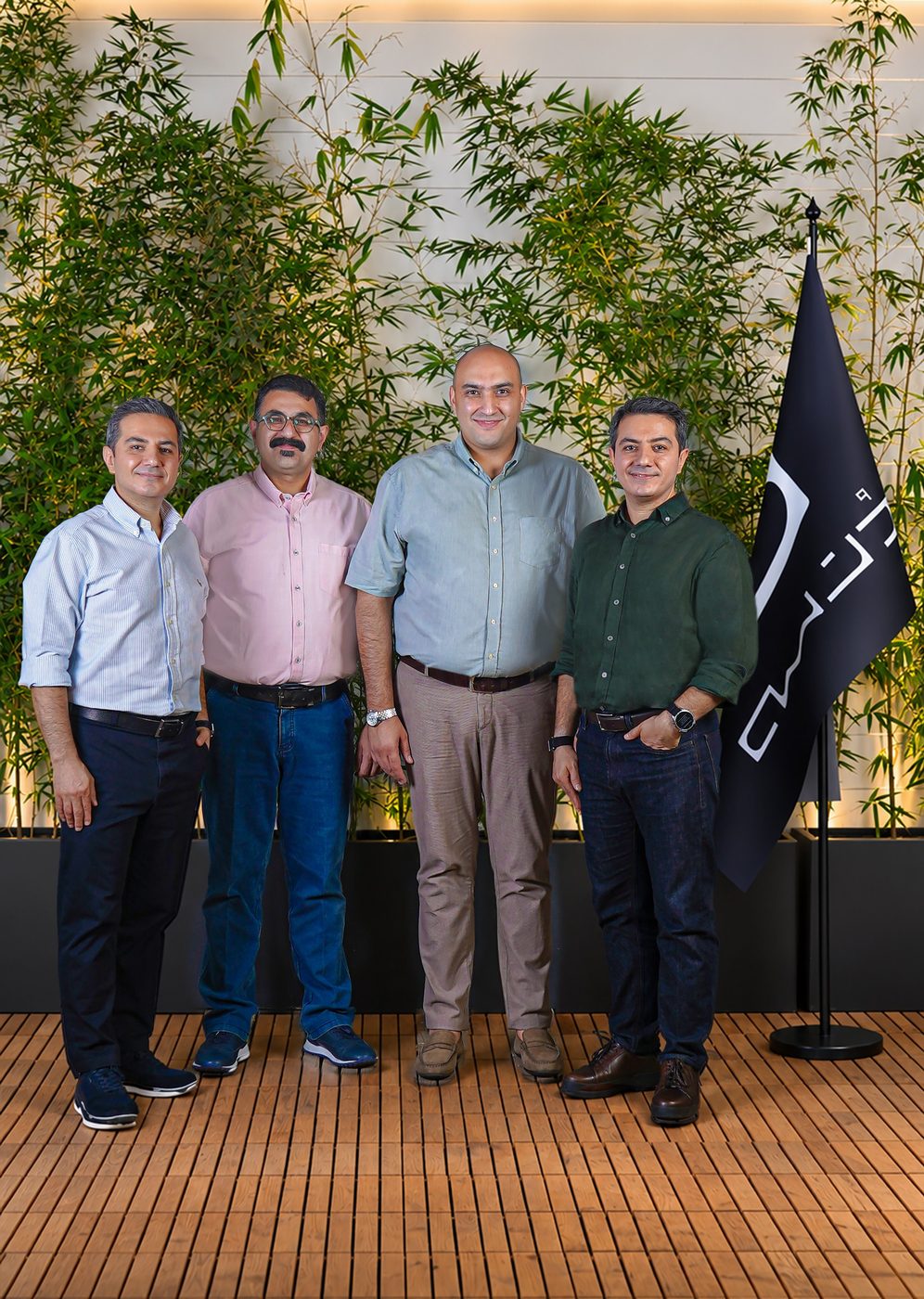
At the rate our own daily series carried that day, 185,590 toman to the dollar, the cheque was worth about 1.62 million dollars. On the stated terms, the whole company is implied at roughly 6.5 million dollars. That is arithmetic on a disclosed price rather than a valuation of ours, and we publish no valuation of a private Iranian company. But the order of magnitude is the story, and it is worth sitting with: the founders of a group with roughly half a billion dollars of annual operating revenue committed less than two million dollars for a quarter of a growing hospitality business and two board seats.
It is personal money, not Digikala’s
Donse co-founder Nima Qazi put this on the record with Iranian Startup: the money came from Hamid and Saeed Mohammadi personally, through their own investment vehicle. It has no connection to Digikala as a company.
Anyone mapping Digikala’s structure should record it that way. This is not the group diversifying into travel and it does not belong on a Digikala org chart.
It is also the more interesting version. Corporate strategy can always be explained away as synergy. Personal capital tells you what the people closest to a market actually believe about where value is safest.
Donse is not a hotel chain
Most of the coverage called this a hotel investment. The company’s own description is broader, and the difference is the whole point.
Donse says it began operating in 2023-24 and now runs three businesses. Donse Hotel operates a set of properties around Iran, each keeping its local character under shared service standards. Donse Sakht develops projects from site selection through architecture and build. And Donse Capital exists, in the company’s own words, to bridge investors and hospitality projects so that both small and large capital can take part in developing the sector.
That third arm reframes the transaction. This is not two founders buying rooms. It is two founders anchoring a vehicle whose stated purpose is channelling domestic capital into tourism real estate. Iranian Startup reported the investment as the first stage of Donse’s fundraising, which implies more rounds behind it.
The seller is not a hotelier
Nima Qazi co-founded Alibaba Travels in November 2013. Alibaba is Iran’s dominant online travel agency, with a co-founder-stated share of about 70% of the online travel market. He has chaired the board of the Tehran E-commerce Association since June 2018, and he co-founded Donse in January 2024 with Soheil Mamdoohi, its chief executive.
So the Digikala founders did not buy into hospitality from a standing start. They backed a group built by someone who spent a decade building the demand side of the same industry, and who is now building its supply side.
The connection runs the other way too. Masoud Tabatabaei, the current chief executive of Digikala.com, was chief executive of Alibaba Travels from 2018 to 2020.
Read as a network rather than a transaction, this is Iran’s e-commerce layer and its online-travel layer meeting inside a physical asset, among people who have worked together before. In a market with no foreign acquirers, that small interlocking group is not a curiosity. It is the deal flow.
A correction, recorded because the standard requires it. Until 9 August 2026 our own record wrongly implied Qazi was Alibaba’s chief executive. He is a co-founder. Tohid Aliashrafi has held the chief executive role since August 2024 after nine years running the group’s marketing, and Majid Hosseini Nejad founded the company and chairs it. Checking the three profiles against each other closed a conflict that had sat in our file since July. The corrected leadership is on the Alibaba record.
| Company | Figure | Basis |
|---|---|---|
| Alibaba.ir | About 70% of Iran’s online travel market | Co-founder statement, on record |
| Alibaba Travel | About $50M | Founder-stated valuation, labelled as such |
| Jabama | About $35M to $40M | Founder-stated valuation, labelled as such |
| Alibaba group, capital raised | About $20M to $25M all time | Co-founder statement, on record |
| Snapp Trip | 5,814,360 active accounts, up 17% | Company disclosed, 2025-26 |
| Snapp Trip, hotels | More than 1,000,000 room-nights booked | Company disclosed, 2025-26 |
| Snapp Trip, lodging | Villa and lodging bookings up 663%, tours up 172% | Company disclosed, 2025-26 |
| Flytoday | More than 1.5M hotels and accommodations listed | Company disclosed, 2026 |
They are buying into a sector that is already compounding
Hamid Mohammadi framed his reasoning publicly around tourism being one of Iran’s most strategic sectors, with large capacity that remains underdeveloped and needs innovation and investment. The framing is his; the underlying growth is measurable and sits in our records.
Snapp Trip alone closed its 2025-26 year with 5,814,360 active accounts, up 17%, more than a million hotel room-nights booked, villa and lodging bookings up 663% and tour bookings up 172%. Flytoday lists more than 1.5 million properties. Alibaba’s group has raised only about 20 to 25 million dollars in its entire life and its founder puts the travel business at roughly 50 million dollars and the accommodation marketplace Jabama at 35 to 40 million.
There is also headroom, on the platforms’ own numbers. Snapp’s market research team, citing international sources, puts online travel penetration at about 85% in the United States, about 70% in China and about 70% in Turkey. Iran sits well below all three. An accommodation operator is the supply side of exactly that gap.
Why the price is the point
We published on 8 August that Iran’s exit market clears only in rial, only with domestic buyers, and that the foreign shareholders who left Digikala’s register in 2024 did so by converting equity into a deferred claim rather than selling it. The conclusion there was that the constraint on Iranian technology returns is not growth, it is the rate at which value can be converted.
This transaction is the same fact seen from the buy side. If your wealth is denominated in rial and cannot practically leave, the question stops being how to realise it and becomes where to hold it. Hotels are a rational answer. They are real, they are domestic, they price in the local economy, and they are indifferent to whether a conversion right is ever granted.
For an outside allocator, the same arithmetic runs the other way. Roughly 1.6 million dollars for a quarter of an operating tourism group is not a distressed price; it is what a functioning domestic business costs once a devalued currency is converted. That gap between operating reality and dollar price is the single most important thing to understand about this market, and it is visible in almost every transaction we hold on the record.
What we do not know
Donse’s financials are not public, so we cannot say what 25% earns or what the group turns over. We do not know how the price was set or whether it reflects a premium or a discount to any internal mark. The 300 billion toman figure comes from the announcement rather than a filing, and the written terms have not been published. We have not established the identity of the investment vehicle used, so we do not record an entity for it. And the whole-company figure in this piece is arithmetic on the announced price, nothing more; if the stake carries preferential terms, which is common and undisclosed here, the simple division would be wrong.
Cite as: Tehran Index, “Iran’s Internet Money Is Moving Into Hotels”, 9 August 2026. Transaction terms as announced by the parties and carried by Iranian Startup and Digiato Insider. Relationship mapping, sector figures and the rial conversion computed from the Tehran Index registry, facts layer and daily FX series on 9 August 2026. tehranindex.com
Frequently asked
No, and the distinction matters. Hamid and Saeed Mohammadi, Digikala's co-founders, made the investment personally through their own vehicle. Donse co-founder Nima Qazi stated explicitly on the record that the transaction has no connection to Digikala as a company. It is private capital allocation by two individuals, not corporate diversification, and it should not be recorded against the Digikala group.
300 billion toman for 25% of the company, announced on 9 August 2026. At the Tehran Index daily rate for that day, 185,590 toman to the dollar, that is about $1.62 million. Dividing by the stake implies roughly $6.5 million for the whole company, though that is simple arithmetic on the announced price rather than a valuation, and it would be wrong if the stake carries preferential terms, which is not disclosed.
He co-founded Donse in January 2024 with Soheil Mamdoohi, who is its chief executive, and separately co-founded Alibaba Travels in November 2013. He has also chaired the board of the Tehran E-commerce Association since June 2018. To be precise about a point our own records were unclear on until 9 August 2026: Qazi is a co-founder of Alibaba, not its chief executive. That office has been held by Tohid Aliashrafi since August 2024, and Majid Hosseini Nejad founded the company and chairs it.
Larger than most outside observers assume, and still well short of comparable markets. Snapp Trip alone reported 5,814,360 active accounts in 2025-26, more than a million hotel room-nights booked, villa and lodging bookings up 663% and tour bookings up 172%. Alibaba's co-founder claims about 70% of online travel and puts the travel business at roughly $50 million and the Jabama accommodation marketplace at $35 to $40 million, both founder-stated. Snapp's own research puts online travel penetration at about 85% in the United States and about 70% in China and Turkey, with Iran below all three.
An Iranian tourism group that dates its own start to 2023-24 and describes three businesses. Donse Hotel operates a set of properties around Iran under shared service standards while keeping each location's local character. Donse Sakht develops accommodation and tourism projects from site selection through architecture and construction. Donse Capital states its purpose as bridging investors and hospitality projects so that both small and large capital can participate in developing the sector. It was co-founded in January 2024 by Nima Qazi, who also co-founded Alibaba Travels, and Soheil Mamdoohi, who is chief executive.
Because the binding constraint in Iran is not growth, it is conversion. Tehran Index research published on 8 August 2026 found that the market's disclosed exits clear only in rial and only with domestic buyers, and that the foreign shareholders who left Digikala's register in 2024 converted equity into a deferred claim rather than selling it. If wealth is denominated in rial and cannot practically leave the country, the question changes from how to realise value to where to hold it, and real domestic assets are a rational answer.
This piece is built from the same registry the platform runs on: company records with sourced, period-stamped facts and a link on every claim. Access opens to a limited first cohort. Registering costs nothing, commits you to nothing, and gets a reply from the research desk within two business days.
Register for access